Don't miss our holiday offer - 20% OFF!


Read Also: Why IoT Has Become an Important Technology Today
Digital transformation has become a strategic step for many industries in improving efficiency and competitiveness. One of the technologies that plays an important role in this process is the Internet of Things (IoT). With IoT, various devices can connect, collect data, and communicate in real-time.
However, a major challenge in IoT implementation is how to integrate various devices and systems into a single centralized platform. Without proper integration, the generated data cannot be utilized optimally.
This is where Flux plays a crucial role as an IoT platform. Flux enables the integration of various devices, systems, and data into a structured ecosystem. With this approach, companies can improve operational efficiency while optimizing data-driven decision-making.
This article will comprehensively discuss how to perform Flux IoT integration to improve overall industrial efficiency.
Contents
The Importance of IoT System Integration in Modern Industry
Read Also: Monitoring Water Movement: GPS Sensor
IoT system integration is a fundamental foundation in building modern, data-driven industries. Without integration, IoT devices will only produce fragmented data that is difficult to analyze comprehensively.
In industrial environments, various systems are used simultaneously, such as production machines, management systems, environmental sensors, and other monitoring devices. If these systems are not connected, companies will struggle to gain a complete view of their operations.
With IoT integration, all data from multiple sources can be collected into a single platform. This enables companies to:
- Monitor operations in real-time
- Identify issues more quickly
- Optimize production processes
- Reduce downtime
- Improve resource efficiency
In addition, integration enables better collaboration across departments. The same data can be accessed by different stakeholders, improving communication and coordination.
IoT Integration Architecture with Flux

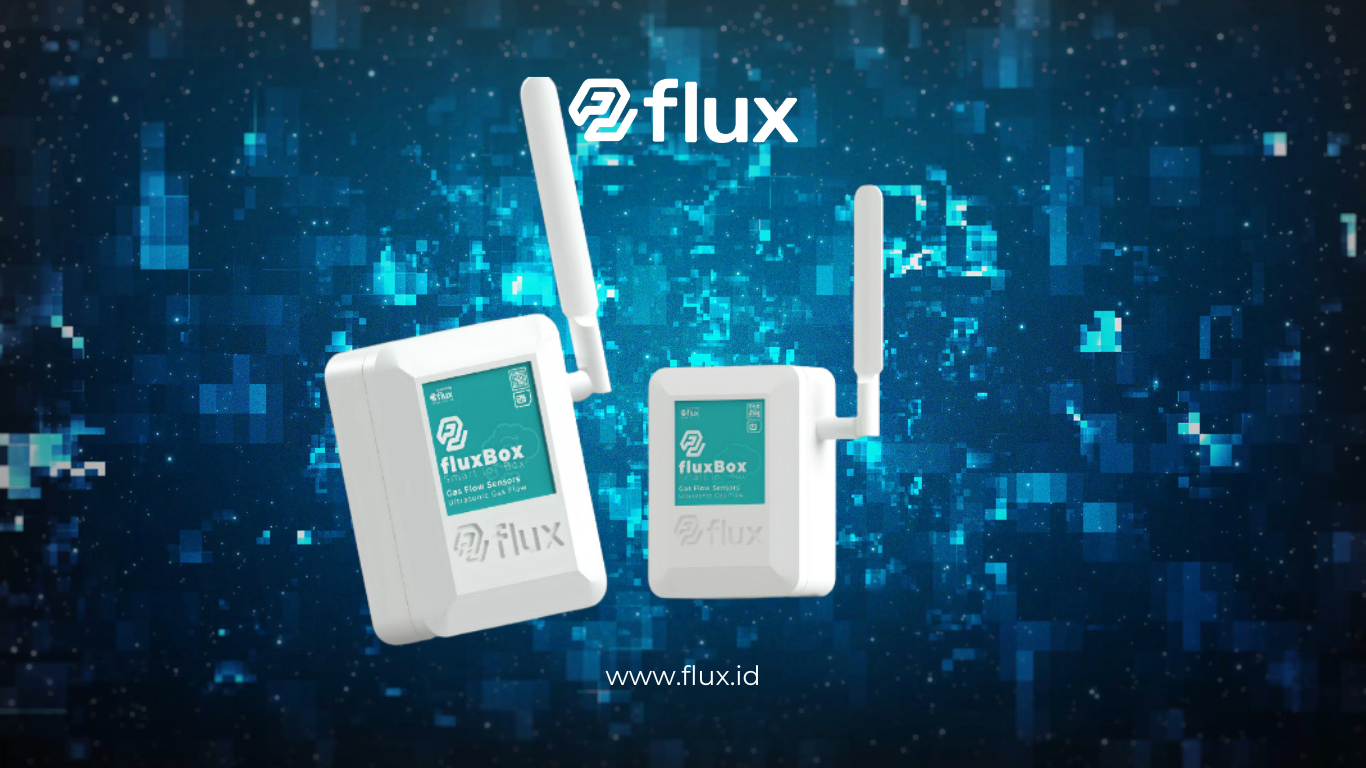
Read Also: Easier Sensor Integration with Fluxbox: Suitable for All Industries
To understand how IoT integration with Flux works, it is important to recognize the system architecture involved. Generally, this integration consists of several main layers.
The first layer is the device layer, which includes various sensors and IoT devices used to collect data, such as temperature, pressure, humidity, or air quality sensors.
The second layer is the connectivity layer, where data from devices is transmitted through networks such as Wi-Fi, Ethernet, or cellular networks to the Flux platform.
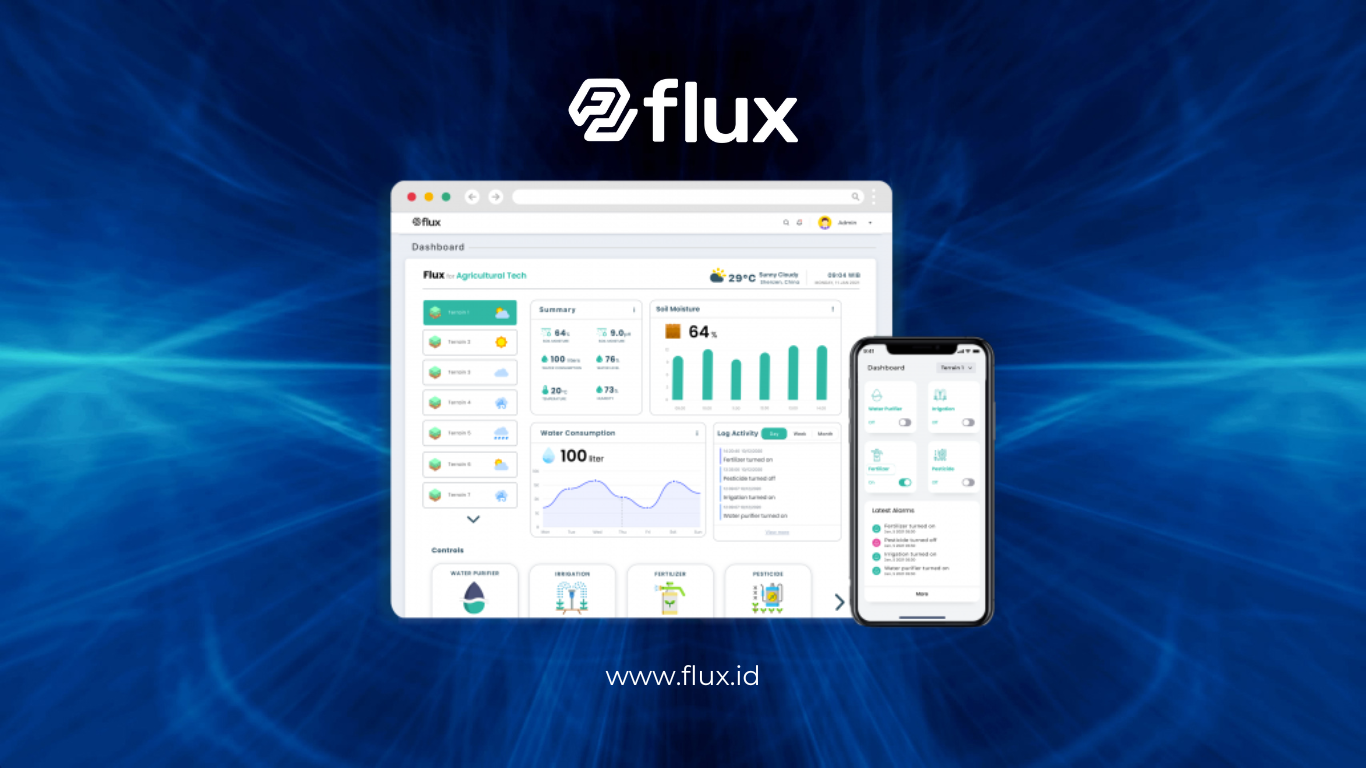
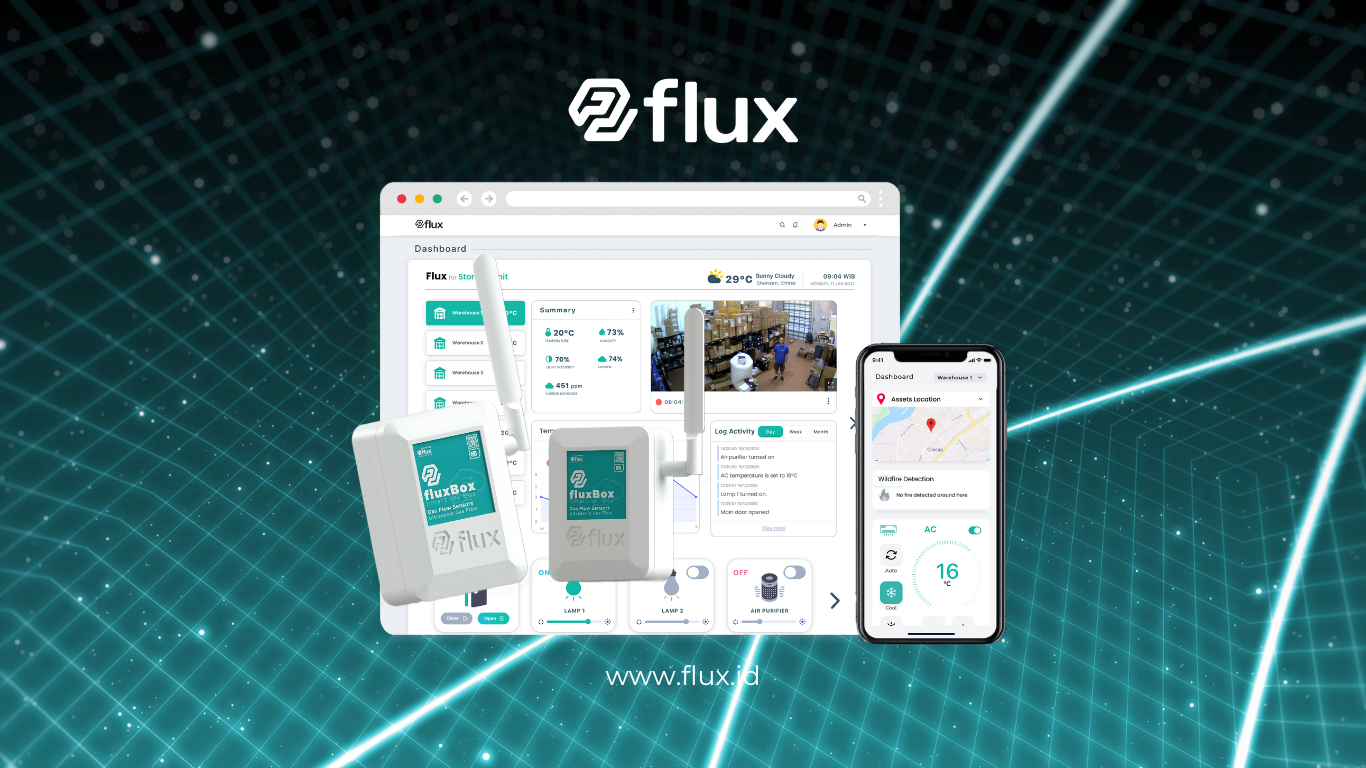
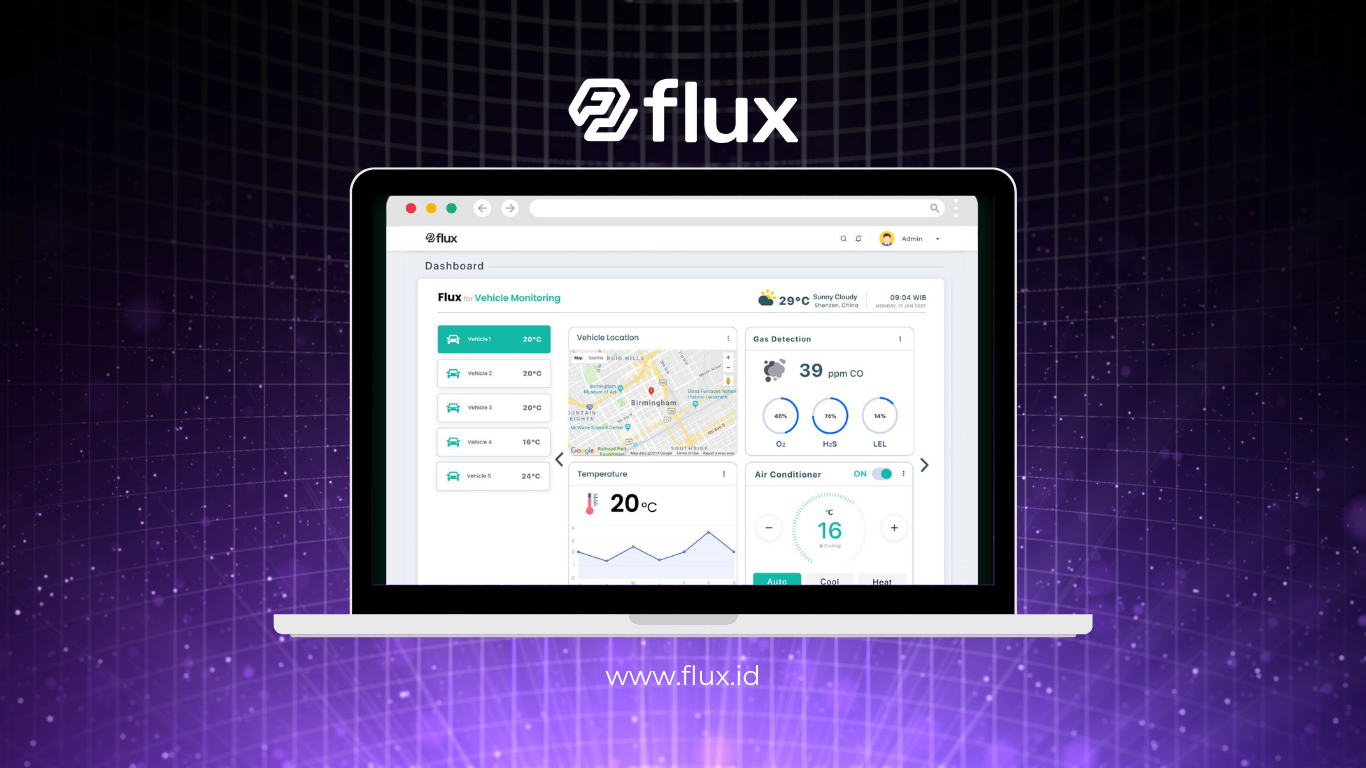
The next layer is the platform layer, which is Flux itself. At this stage, the received data is processed, stored, and analyzed. Flux also provides dashboards for data visualization.
The final layer is the application layer, where data is used for various purposes such as monitoring, reporting, and automation.
With this architecture, Flux can connect all components of the IoT system into a fully integrated ecosystem.
Steps for IoT Integration with Flux
Read Also: Camera-Based Pest Detection Sensor: Technology Innovation for Early Detection
To effectively integrate IoT with Flux, companies need to follow several important steps. This process ensures that the system operates optimally.
The first step is identifying integration needs and objectives. Determine what data should be collected and how it will be used.
The second step is selecting appropriate IoT devices. Ensure that the devices are compatible with the Flux platform and capable of transmitting data in real-time.
Next, perform device connection configuration. Devices must be connected to a stable network to ensure uninterrupted data transmission.
The next step is integration with the Flux platform. Data from devices will be sent to the platform and processed according to requirements.
After that, create a monitoring dashboard to visualize the data. This helps users better understand operational conditions.
Finally, conduct system testing and evaluation. Ensure all components function properly and make adjustments if necessary.
Benefits of Flux IoT Integration for Industrial Efficiency

Read Also: The Benefits of IoT Data from Flux for Operational Efficiency
IoT integration with Flux provides significant benefits for industries. One of the main advantages is improved operational efficiency.
With real-time data availability, companies can quickly identify issues and take appropriate actions. This helps reduce downtime and increase productivity.
In addition, IoT integration enables process automation. Systems can automatically take actions based on incoming data, reducing the need for manual intervention.
Another benefit is improved data quality. Integrated data is easier to analyze and provides more accurate insights.
Flux IoT integration also supports data-driven decision-making. Management can use available data to plan more effective strategies.
In the long term, this integration helps reduce operational costs and enhance competitiveness.
Integration Challenges and Strategies to Overcome Them
Read Also: Manufacturing Digitalization: Challenges and Opportunities in Smart Industry
Despite its many benefits, IoT integration with Flux also presents challenges. One of the main challenges is system complexity.
Companies must ensure that all devices and systems work harmoniously, which requires proper planning and coordination.
Another challenge is data security. With large volumes of data transmitted over networks, the risk of cyber threats increases.
To overcome these challenges, companies should implement strategies such as:
- Using reliable devices and platforms
- Implementing strong security systems
- Providing employee training
- Conducting regular monitoring and evaluation
Additionally, it is important to start on a small scale before expanding implementation. This approach helps identify potential issues early.
Conclusion
IoT system integration with Flux is a crucial step in improving industrial efficiency in the digital era. By connecting various devices and processing data in real-time, Flux helps companies create more integrated and efficient operational systems.
Through proper steps and well-planned strategies, companies can overcome implementation challenges and maximize the benefits of IoT integration.
With continuous technological advancements, IoT integration with platforms like Flux will become a key factor in building smarter, more responsive, and highly competitive industries.