Don't miss our holiday offer - 20% OFF!

Read Also: How Flux Supports Digital Transformation in Indonesian Industry
In the era of digital transformation, the need for fast and accurate data has become increasingly important for companies. Modern industries are required to monitor operational conditions directly in order to make the right decisions in a short time. One widely used solution is an Internet of Things (IoT)-based monitoring system.
With IoT, various devices such as sensors and machines can connect and automatically transmit data. However, without the right platform, the generated data is difficult to utilize optimally. Therefore, a system is needed that can manage data in real-time and in an integrated manner.
Flux is present as a solution that enables companies to build efficient real-time IoT monitoring systems. With its various features, Flux supports data collection, visualization, and process automation.
This article will discuss the complete steps to build a real-time IoT monitoring system based on Flux to support more modern and efficient industrial operations.
Contents
Understanding the Concept of Real-Time IoT Monitoring
Read Also: Flux for Modern Industry: Monitoring, Analysis, and Control
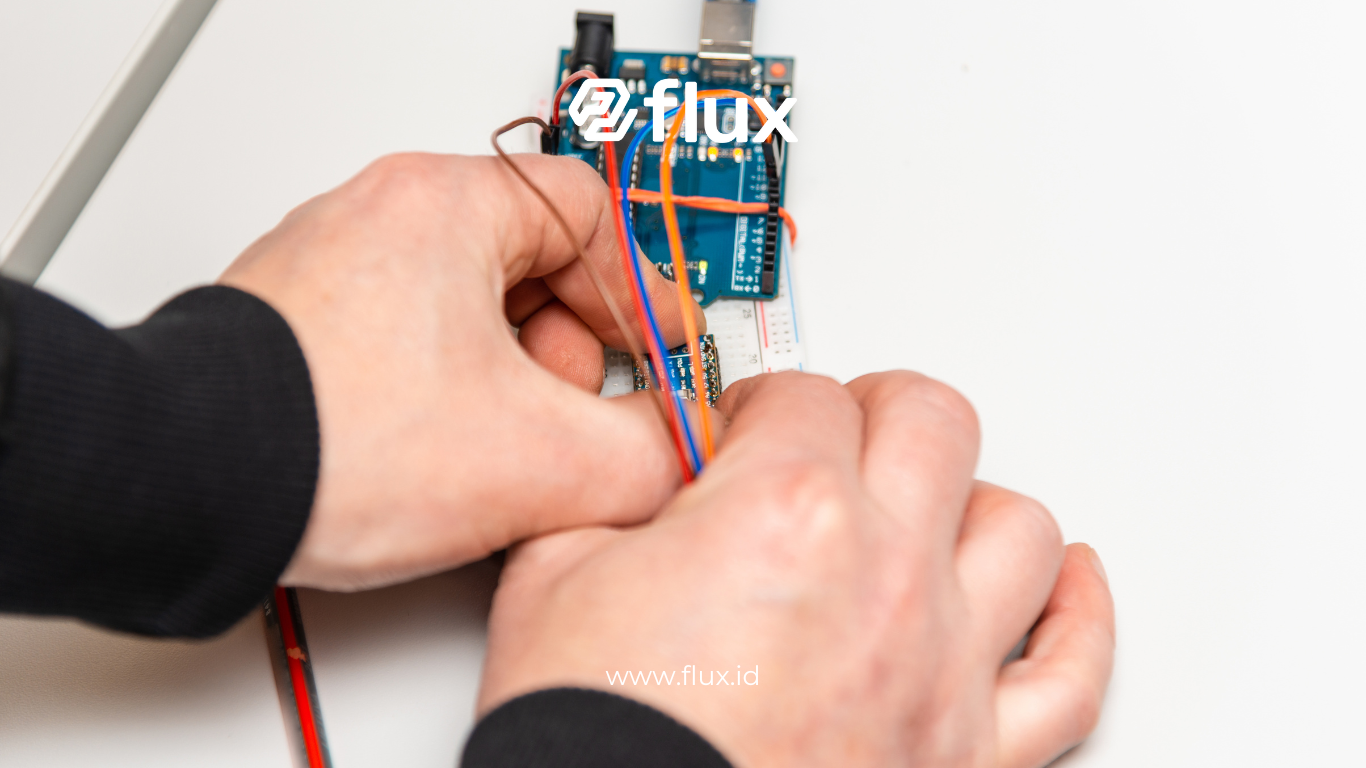
Real-time IoT monitoring is the process of observing data from IoT devices instantly without significant delay. Data collected from sensors is immediately transmitted to the system and displayed on dashboards accessible to users.
This concept is crucial in industrial environments as it allows companies to understand operational conditions in real-time. For example, companies can monitor machine temperature, pressure, energy consumption, or environmental quality directly.
With real-time monitoring, companies can:
- Detect issues more quickly
- Reduce the risk of damage
- Improve operational efficiency
- Support data-driven decision-making
Flux acts as a platform that connects IoT devices with monitoring systems, enabling data to be processed and displayed effectively.
Key Components in an IoT Monitoring System
Read Also: What is LoRa? A Long-Range, Low-Power Communication Technology
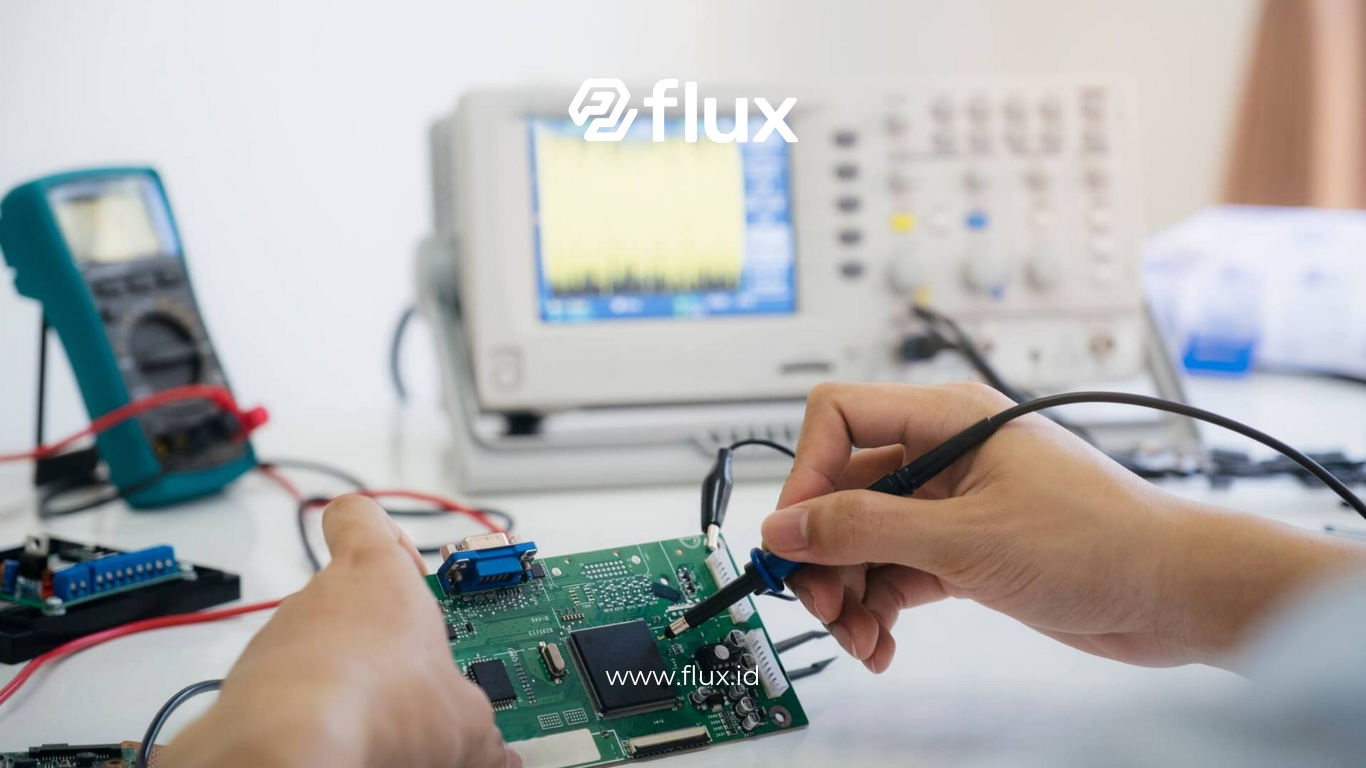
To build a real-time IoT monitoring system, several key components must be understood. Each component plays an important role in ensuring the system runs effectively.
The first component is sensors and IoT devices. These devices collect data from environments or machines, such as temperature, humidity, pressure, and other parameters.
The second component is the communication network. Data from devices must be transmitted via networks such as Wi-Fi, Ethernet, or cellular networks to reach the platform.
The next component is the IoT platform, namely Flux. This platform receives, stores, and processes the data sent by devices.
Then there is the monitoring dashboard, which displays data visually through charts and tables, making it easier for users to understand operational conditions.
Finally, there is the notification and automation system, which provides alerts when specific conditions occur and can trigger automatic actions based on incoming data.
Steps to Build an IoT Monitoring System with Flux

Read Also: Common IoT System Issues and How Flux Solves Them
Building an IoT monitoring system with Flux requires structured steps to ensure optimal performance.
The first step is defining monitoring requirements. Identify which parameters need to be monitored and the purpose of monitoring.
The second step is selecting appropriate IoT devices. Ensure the devices can transmit data in real-time and are compatible with Flux.
Next, perform device installation and configuration. Devices must be properly installed and configured to connect to the network.
The next step is connecting devices to Flux. Data from devices will be transmitted to the platform and processed.
After that, create a monitoring dashboard to visualize the data. The dashboard should be informative and easy to understand.
Finally, enable notification and automation features to ensure the system can respond quickly to specific conditions.
Flux Features Supporting Real-Time Monitoring
Read Also: Fluxbox: Industrial IoT Device for Reliable Sensor Data Acquisition
Flux provides various features that support the development of real-time IoT monitoring systems. These features help users manage data more effectively.
One of the main features is the real-time dashboard, allowing users to view data instantly. The dashboard can be customized according to user needs.
The data logging feature allows storage of historical data for further analysis, helping identify trends and operational patterns.
Additionally, there are alert and automatic notification features that provide warnings when abnormal conditions occur.
Flux also supports integration with other systems, enabling data to be used for various operational purposes.
The data security feature ensures that transmitted information remains protected from unauthorized access.
Challenges and Tips for Successful IoT Monitoring Implementation
Read Also: Guide to IoT System Integration with Flux for Industrial Efficiency
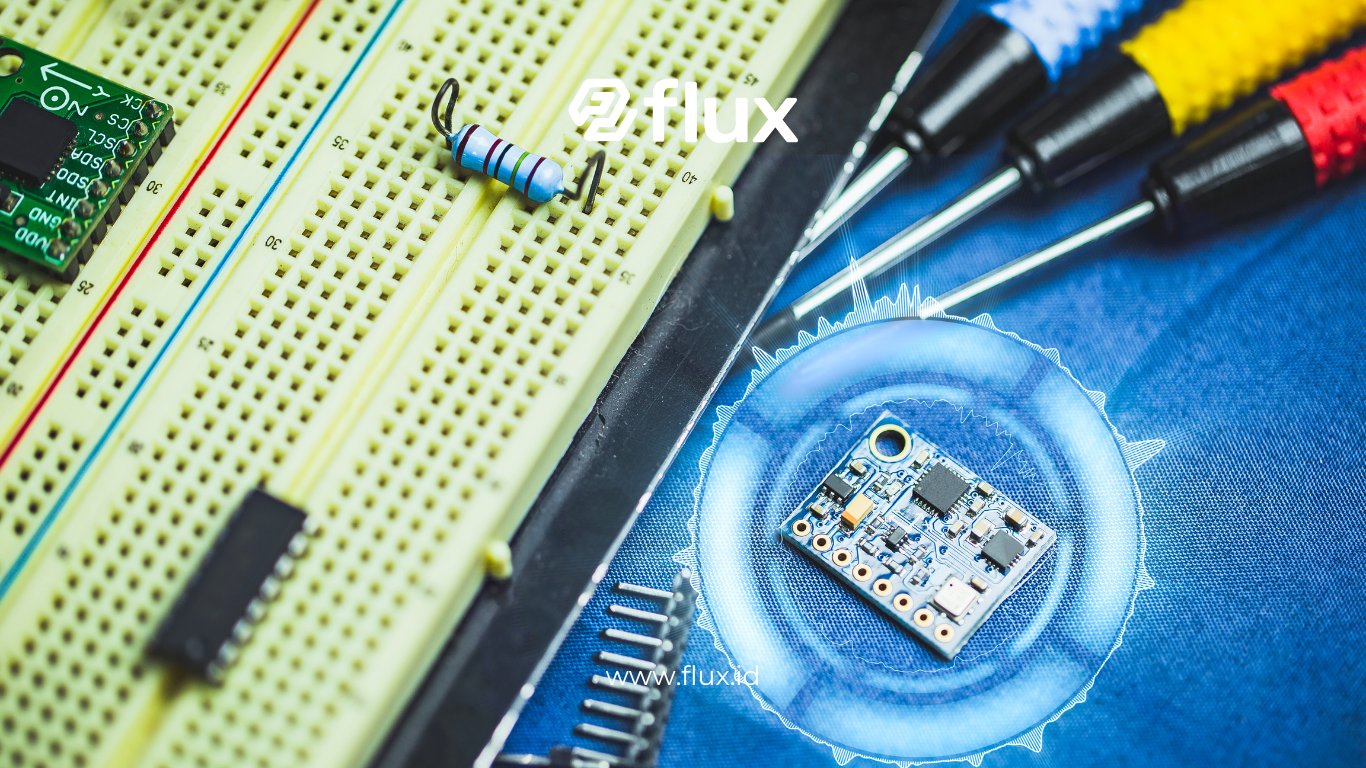
Although it offers many benefits, building an IoT monitoring system also comes with challenges. One of the main challenges is integrating various devices and systems.
Companies must ensure that all components work harmoniously. In addition, network quality greatly affects system performance.
Another challenge is managing large volumes of data. The system must be capable of storing and processing data without performance degradation.
To ensure successful implementation, consider the following tips:
- Start with a small-scale pilot project
- Use devices compatible with Flux
- Ensure stable communication networks
- Provide user training
- Conduct regular system evaluations
With the right approach, companies can build effective and sustainable IoT monitoring systems.
Conclusion
Building a real-time IoT monitoring system with Flux is a strategic step in supporting digital operational transformation. With this system, companies can monitor conditions directly, improve efficiency, and reduce operational risks.
Through a solid understanding of concepts, proper component selection, and structured implementation, IoT monitoring systems can deliver significant benefits to industries.
Although there are challenges in implementation, the long-term benefits are substantial. With continuously evolving technology, real-time IoT monitoring will become a key component in creating smarter and more efficient industries.