Don't miss our holiday offer - 20% OFF!


Read Also : Flux Connect: Easily Connecting IoT Devices
In the modern industrial era, companies are required to adapt to rapidly evolving technologies. Digital transformation is no longer just a trend, but a necessity to improve efficiency, productivity, and competitiveness. One of the technologies playing a crucial role in this transformation is the Internet of Things (IoT).
IoT enables various devices and systems to connect and exchange data automatically. However, without proper integration systems, the data generated is often scattered and difficult to utilize optimally. This is a challenge faced by many industries today.
As a solution, Flux is introduced as an IoT platform capable of integrating various systems, supporting real-time data monitoring, and enabling automation of operational processes. With a centralized and data-driven approach, Flux helps companies optimize overall operational performance.
This article will discuss in depth how Flux IoT integration serves as an effective solution for industrial monitoring and automation.
Contents
The Role of Flux in Industrial IoT System Integration

Read Also : Remote Monitoring of IoT Devices with Flux
One of Flux’s main functions is to connect various IoT systems and devices into a single integrated platform. In industrial operations, multiple systems often run separately, such as production machines, environmental sensors, and management systems.
Without integration, data from these systems cannot be utilized optimally. Flux enables all data to be collected into one system, providing a more comprehensive operational overview.
With this integration, companies can manage data more efficiently. Information from multiple sources can be accessed through a single dashboard, making monitoring and analysis easier.
In addition, integration helps reduce manual processes that are often time-consuming and prone to errors. Data can flow automatically between systems, improving operational efficiency.
Real-Time Monitoring for Better Operational Control

Read Also : How Flux Helps Industries Monitor Multiple Devices Simultaneously
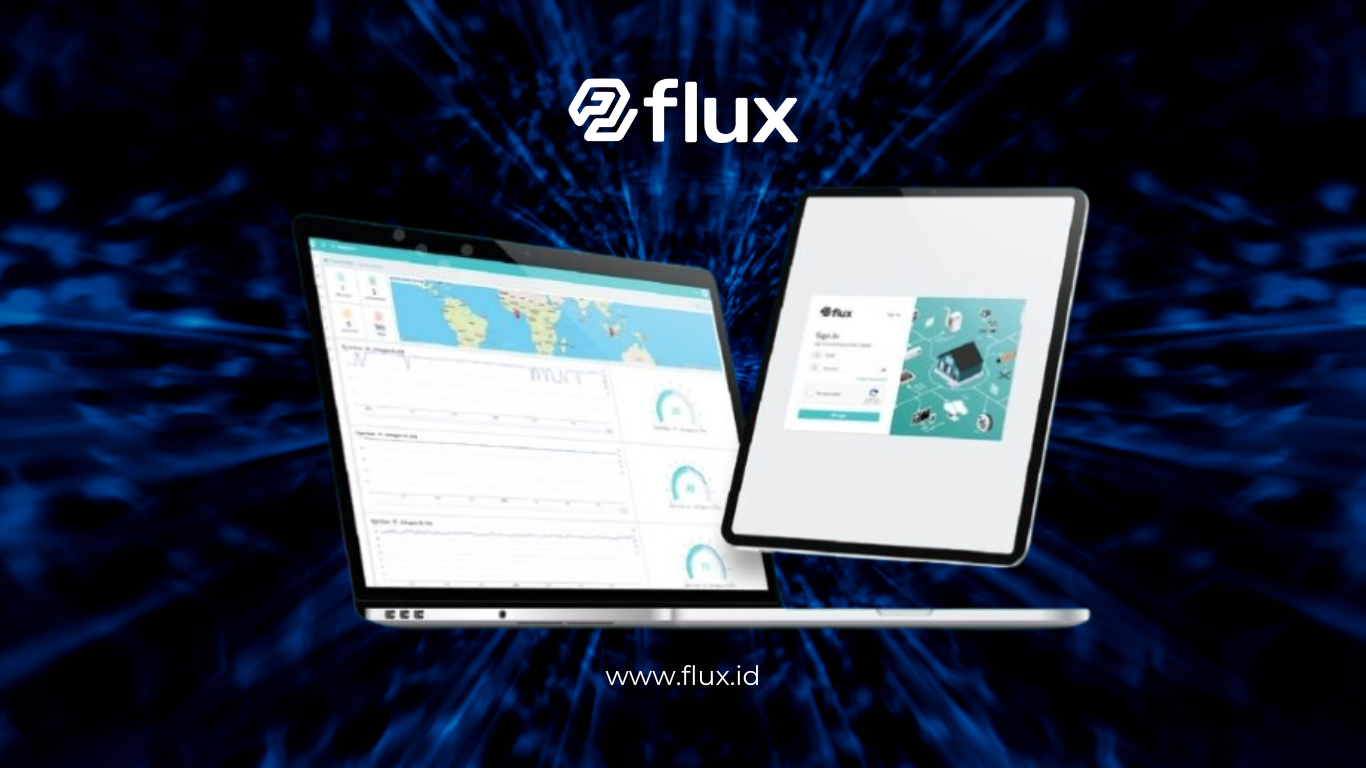
Flux provides real-time data monitoring capabilities that are essential for industrial operations. Data from IoT devices can be instantly displayed on easy-to-understand dashboards.
Real-time monitoring allows companies to observe operational conditions directly. If any changes or disruptions occur, the system can issue alerts so that immediate action can be taken.
This helps companies improve control over production processes and reduce the risk of downtime. Additionally, real-time monitoring supports faster and more accurate decision-making.
With high visibility into operations, companies can ensure that all processes run according to plan.
Process Automation for Maximum Efficiency

Read Also : Flux Gateway: Strengthening IoT Device Connectivity and Integration
In addition to monitoring, Flux also supports the automation of various operational processes. By utilizing data collected from IoT devices, the system can perform specific actions automatically.
For example, the system can adjust machine parameters based on certain conditions or send notifications when anomalies occur. This automation reduces reliance on manual intervention.
With more automated processes, companies can improve work efficiency and reduce the risk of human error. Automation also helps maintain consistency in operations.
In the long term, automation supported by Flux can lead to significant cost savings.
Centralized and Structured Data Management

Read Also : Flux: Integrated IoT Platform Solution for Real-Time Monitoring of Devices and Industrial Data
Flux enables centralized and structured data management. Data collected from various IoT devices is stored in a well-organized system.
With proper data management, companies can easily access and analyze the information they need. Historical data can also be used to understand operational trends and patterns.
Centralized data management improves the quality of decision-making. Management can use available data to plan more effective strategies.
Additionally, a structured system simplifies reporting and auditing processes, enhancing operational transparency.
Implementation Challenges and Future Potential of Flux

Read Also : Exploring the Role of Accelerometers and Gyroscopes in Modern Devices: From Smartphones to Drones
Although Flux offers many benefits, its implementation also comes with challenges. One of the main challenges is integrating with existing systems.
Companies need to ensure that their devices and systems are compatible with the Flux platform. Additionally, employee training is required to ensure proper system usage.
Another challenge is the need for adequate infrastructure, such as stable networks and supporting devices.
However, with rapid technological advancements, these challenges can be addressed. Flux continues to evolve with more advanced and user-friendly features.
In the future, Flux is expected to become more integrated with technologies such as artificial intelligence and data analytics. This will open new opportunities for automation and operational optimization.
Conclusion
Flux is an effective solution for integrating IoT systems for industrial monitoring and automation. With its ability to connect various devices, provide real-time monitoring, and support process automation, the platform helps companies improve efficiency and productivity.
Centralized and structured data management is also a key advantage in supporting data-driven decision-making. Although there are challenges in implementation, the long-term benefits are highly significant.
By leveraging Flux optimally, companies can build more modern, efficient, and future-ready operational systems to face challenges in the digital era.