Don't miss our holiday offer - 20% OFF!


Read Also : Why IoT Has Become an Essential Technology Today
In today’s rapidly evolving digital era, data has become one of the most valuable assets for companies. Every operational activity generates data that can be used to improve efficiency, productivity, and the quality of decision-making. However, without proper processing, this data remains merely a collection of information with little added value.
The Internet of Things (IoT) has significantly accelerated data growth by connecting various devices that continuously generate real-time data. This is where data analytics plays a crucial role, especially in platforms like Flux, which are designed to manage IoT data in an integrated manner.
By leveraging IoT data analytics, companies can transform raw data into valuable insights that support faster and more accurate decision-making. This article discusses the various benefits of data analytics in Flux in the context of IoT-based decision-making.
Contents
Transforming Raw Data into Valuable Insights
Read Also : Benefits of IoT for Manufacturing Industry and Factory Automation
One of the main advantages of data analytics in Flux is its ability to transform raw data into meaningful information. Data collected from sensors and IoT devices is typically large and complex.
Without proper analysis, this data can be difficult to understand. Flux helps process this data using various analytical methods, generating insights that are easy to interpret.
For example, temperature data collected from machines can be analyzed to detect abnormal increases. These insights can be used to prevent machine failures before they occur.
Thus, data analytics enables companies to maximize the value of their data and improve operational quality.
Supporting Real-Time Decision Making

Read Also : Improving Operational Efficiency with the Flux Dashboard
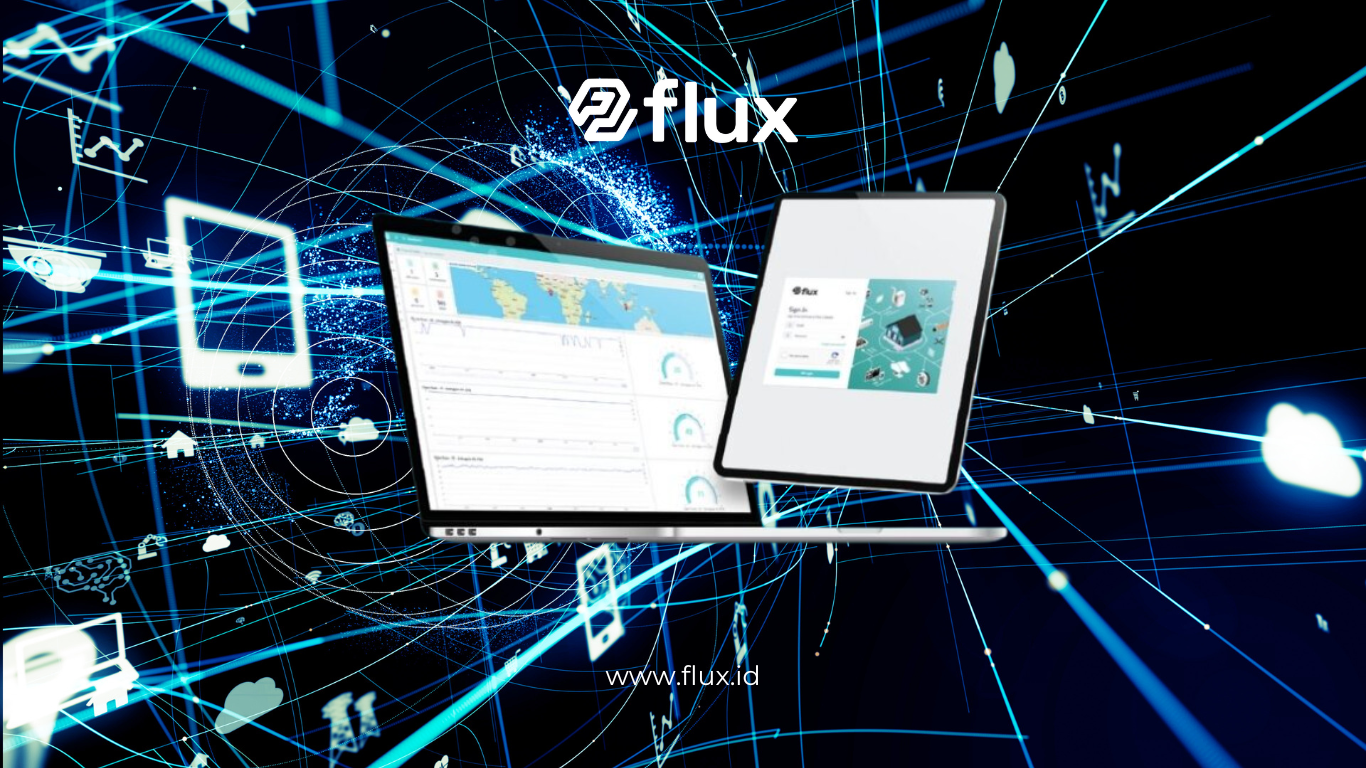
In the industrial world, speed in decision-making is critical. Data analytics in Flux enables companies to access real-time information, allowing decisions to be made quickly.
Data displayed on dashboards can be instantly analyzed to determine the next steps. This is especially useful in situations that require immediate responses, such as operational disruptions or environmental changes.
With real-time decision-making, companies can reduce risks and improve operational efficiency.
Additionally, data-driven decisions tend to be more accurate than those based solely on assumptions.
Improving Operational Efficiency Through Data Analysis
Read Also : Flux: A Practical Way to Connect Sensors, Gateways, and Dashboards in One Integrated IoT System
Data analytics in Flux also helps improve operational efficiency. By analyzing available data, companies can identify areas that need improvement.
For example, data analysis may reveal that a machine operates less efficiently at certain times. This information can be used to optimize machine usage.
In addition, data analytics helps identify resource waste. By understanding patterns in energy or raw material usage, companies can take steps to reduce operational costs.
With higher efficiency, companies can increase productivity and competitiveness.
Supporting Predictive Maintenance and Risk Prevention
Read Also : How to Integrate IoT Devices with Flux for Efficient Real-Time Monitoring
One of the key applications of data analytics in Flux is predictive maintenance. By analyzing historical and real-time data, the system can predict potential machine failures.
This approach differs from traditional maintenance, which is reactive. With predictive maintenance, companies can perform maintenance before failures occur.
This helps reduce downtime and unexpected repair costs. It also minimizes the risk of operational disruptions.
Data analytics can also be used to detect anomalies in the system. If unusual data patterns are identified, the system can issue alerts so that immediate action can be taken.
Supporting Data-Driven Business Strategies
Read Also : Benefits of IoT Data from Flux for Operational Efficiency
Beyond operational benefits, data analytics in Flux also supports business strategies. Analyzed data provides insights into trends and patterns within operations.
This information can be used to plan more effective long-term strategies. For example, companies can determine the right investments based on machine performance or resource usage data.
With a data-driven approach, companies can reduce uncertainty in decision-making. Strategies become more focused and have a higher likelihood of success.
Additionally, the use of data analytics helps companies innovate and create added value for customers.
Conclusion
Data analytics in Flux is a crucial component in effective IoT data management. By transforming raw data into valuable insights, this platform helps companies improve the quality of their decision-making.
Benefits such as real-time decision-making, improved operational efficiency, and support for predictive maintenance make data analytics an essential tool in digital transformation.
By leveraging data analytics optimally, companies can build smarter, more efficient, and data-driven operational systems. In an increasingly digital world, the ability to manage and analyze data will be a key factor in achieving competitive advantage.