Don't miss our holiday offer - 20% OFF!

Read Also: Why IoT Has Become an Important Technology Today
The development of digital technology has driven industries to adapt to smarter and more integrated systems. In a competitive business environment, companies are required to manage operations efficiently, quickly, and in a data-driven manner. One of the key technologies supporting this transformation is the Internet of Things (IoT).
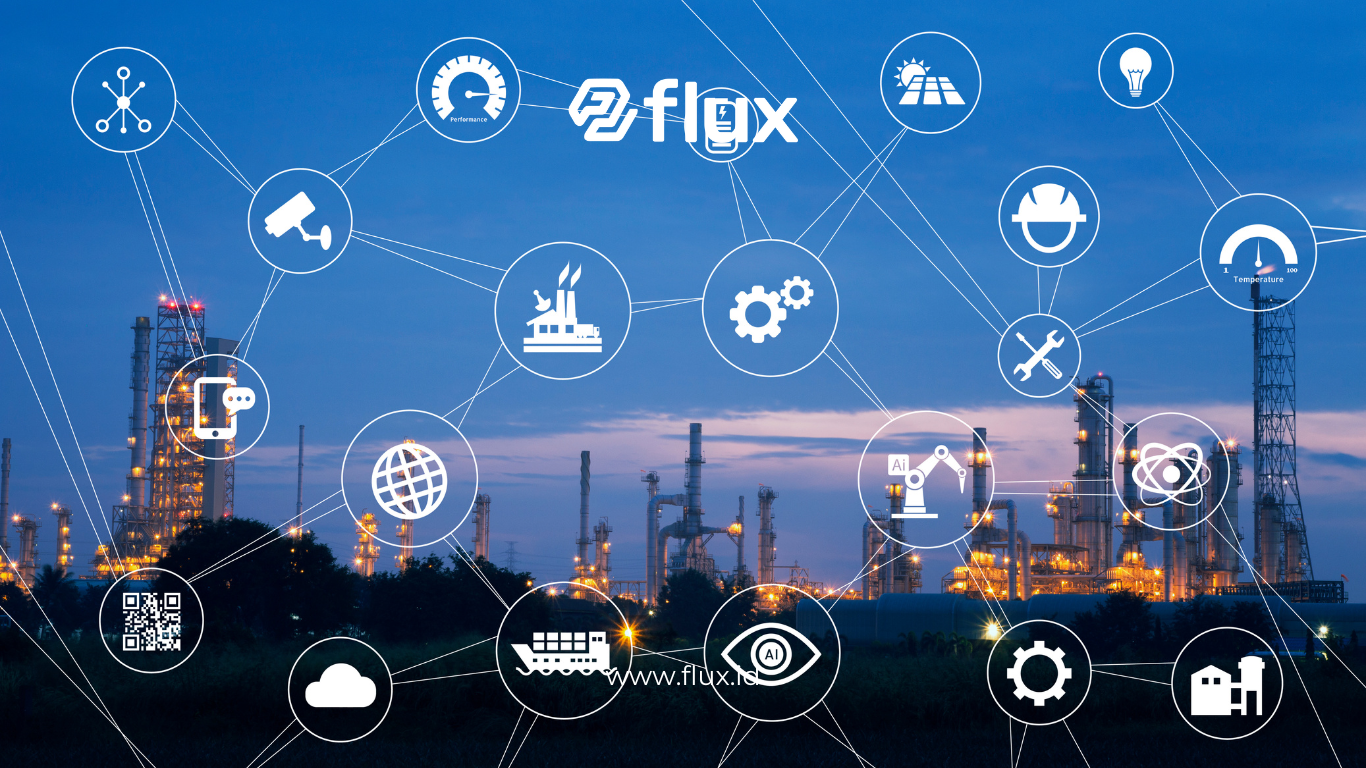
IoT enables devices, machines, and systems to connect and exchange data automatically. However, without the right platform, the data generated from these devices is often fragmented and difficult to fully utilize.
This is where the role of the Flux IoT Platform becomes crucial. This platform serves as a solution that enables system integration and real-time data monitoring within a centralized ecosystem. By using Flux, companies can improve operational visibility, work efficiency, and the quality of decision-making.
This article will explore in depth the various benefits of Flux IoT for industry in system integration and real-time monitoring for modern industries.
Contents
The Role of Flux IoT Platform in Industrial System Integration
Read Also: The Role of IoT in Creating Environmentally Friendly Industry
One of the main benefits of the Flux IoT Platform is its ability to integrate various systems used in industrial operations. In industrial environments, there are typically multiple systems running separately, such as production machines, environmental sensors, management systems, and other monitoring devices.
Without proper integration, data from these systems cannot be connected, making it difficult to gain a comprehensive view of operations. Flux acts as a bridge that enables all these systems to be integrated into a single platform.
With this integration, data from various sources can be collected and processed centrally. This makes it easier for companies to monitor all operational processes without switching between systems.
In addition, system integration enables more efficient workflows. Data can flow automatically between systems without manual input, reducing errors and increasing productivity.
Real-Time Monitoring for Better Operational Visibility

Read Also: The Benefits of IoT Data from Flux for Operational Efficiency
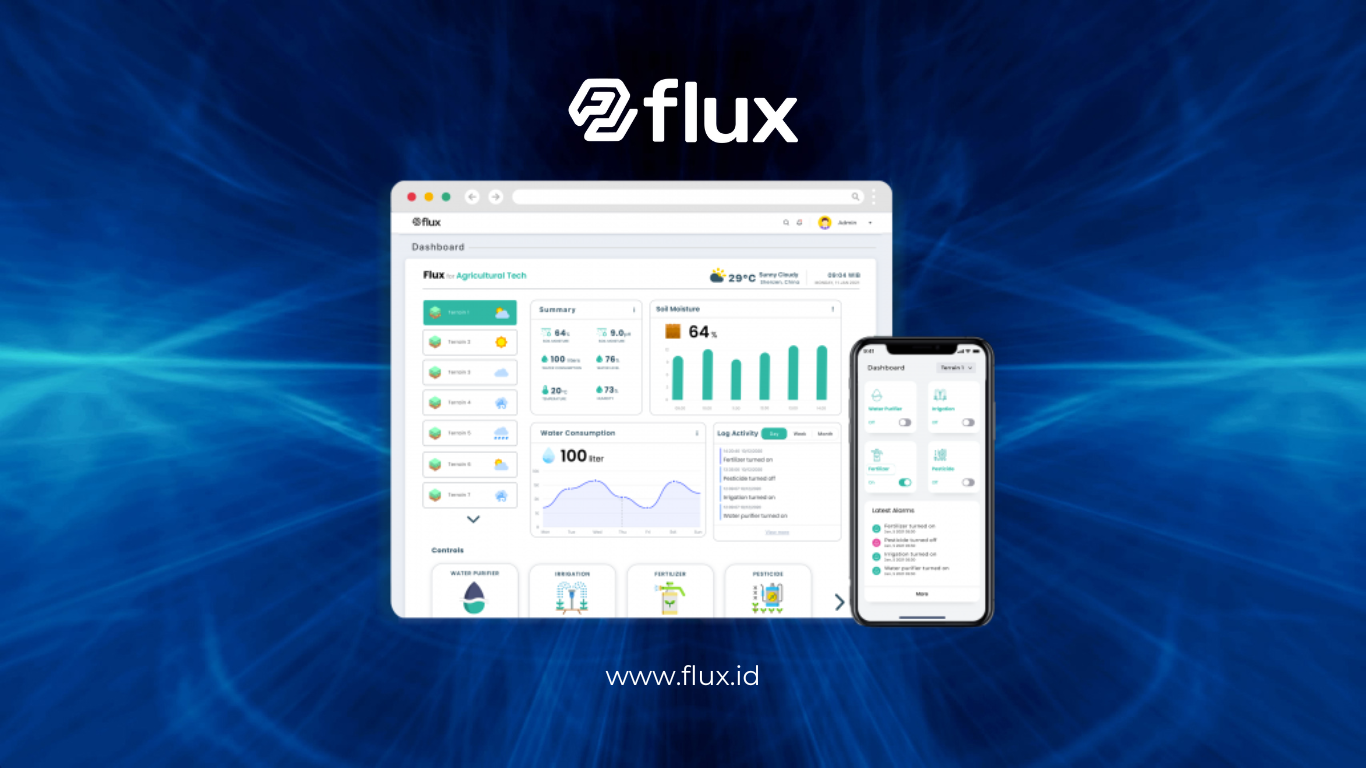
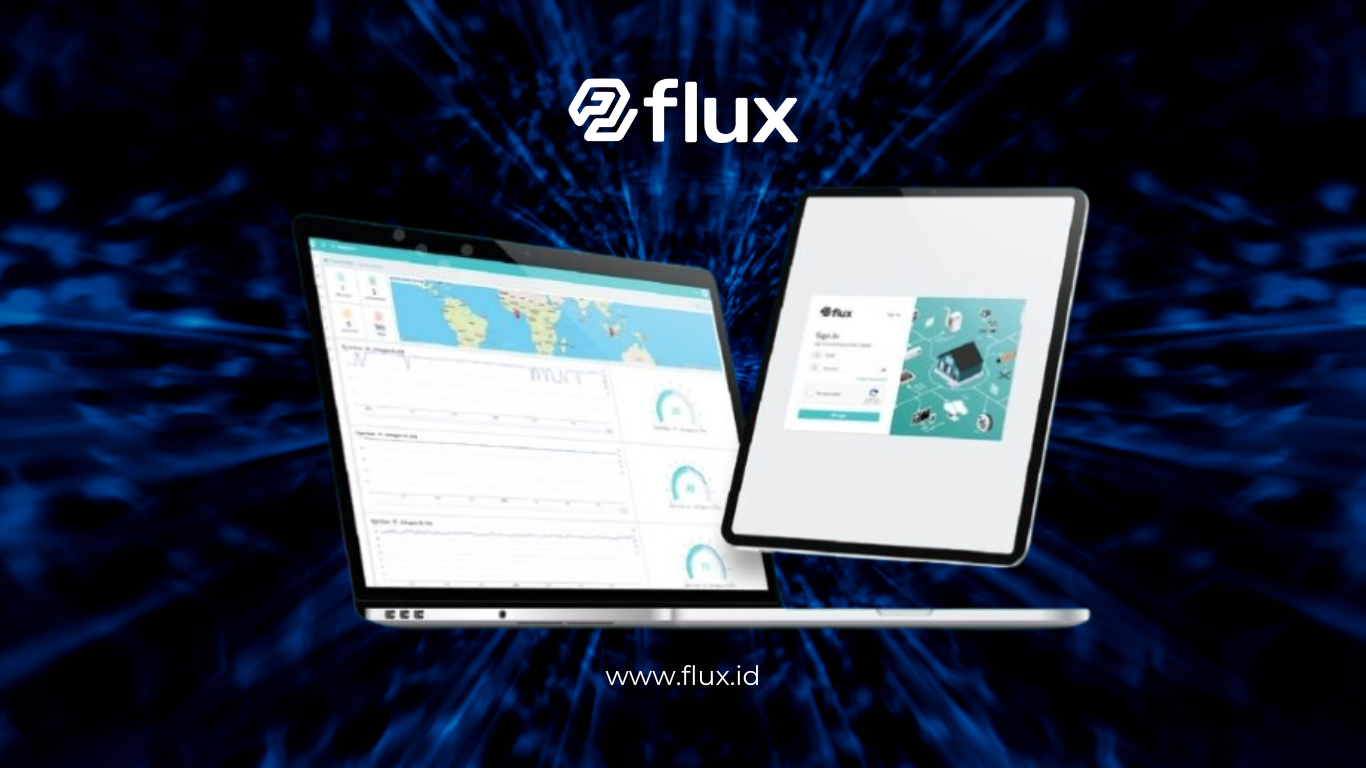
Real-time monitoring is one of the key features offered by the Flux IoT Platform. With this feature, companies can monitor operational conditions instantly without delays.
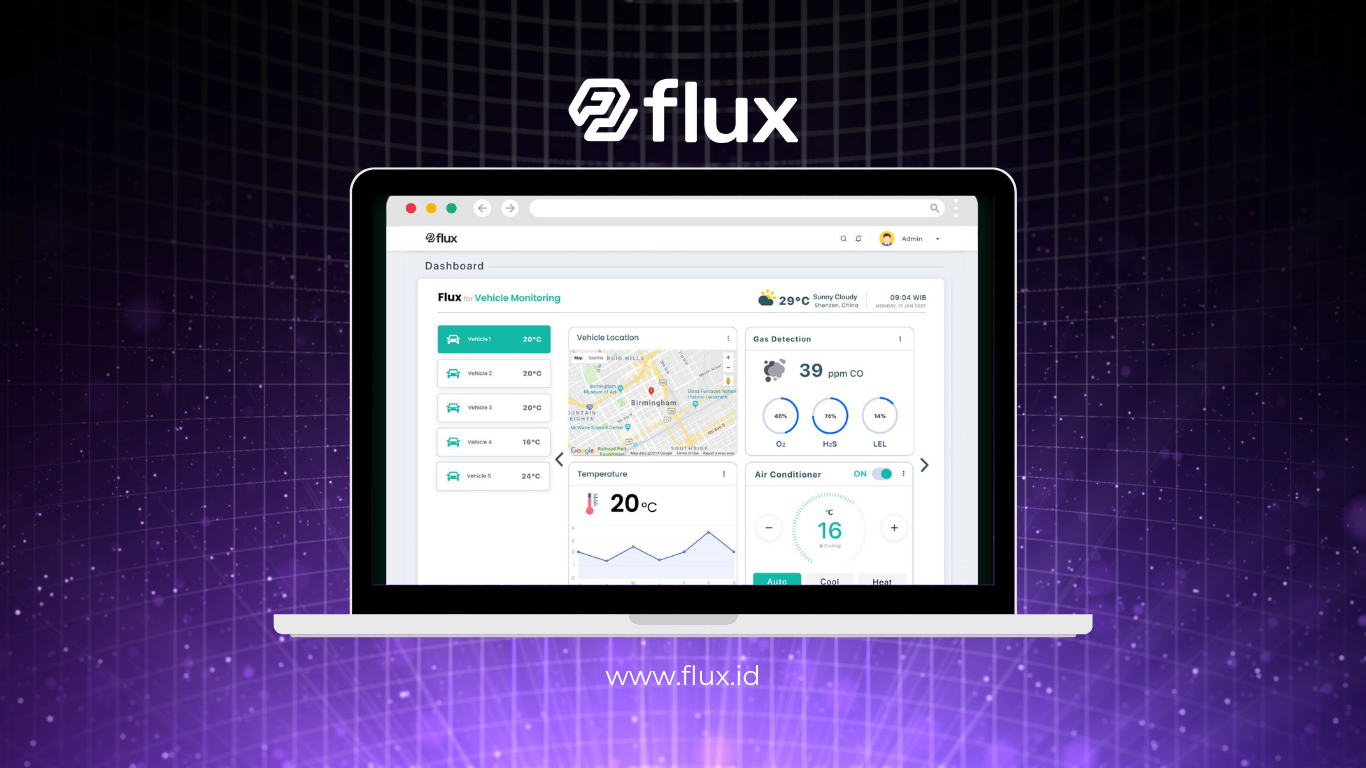
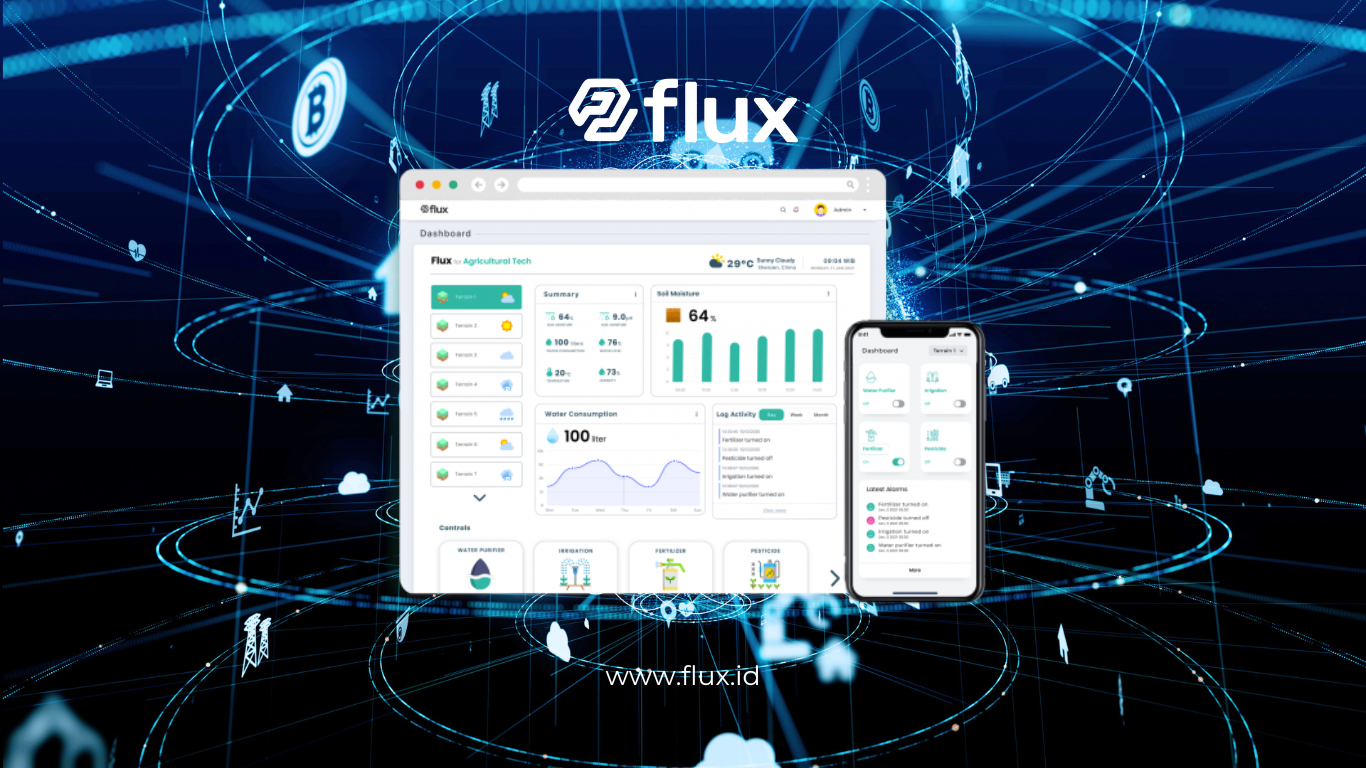
Data collected from sensors and IoT devices is displayed on easy-to-understand dashboards. Users can view various parameters such as temperature, pressure, energy consumption, or machine performance in real-time.
High operational visibility allows companies to detect issues more quickly. For example, if there is a rise in machine temperature, the system can send alerts so that immediate action can be taken.
Additionally, real-time monitoring supports decision-making. With instant data availability, management can respond to situations more quickly and accurately.
Thus, the Flux IoT Platform helps companies improve operational control and reduce risks that may disrupt production processes.
Improving Industrial Efficiency and Productivity
Read Also: Examples of IoT Implementation in Various Fields
The implementation of the Flux IoT Platform has a significant impact on industrial efficiency and productivity. One key factor is process automation enabled by the platform.
With an integrated system, activities such as data recording, monitoring, and reporting can be performed automatically. This reduces the need for manual intervention and allows employees to focus on more strategic tasks.
In addition, the data collected by Flux can be used to identify areas that require improvement. For example, companies can determine which processes are inefficient and take steps to optimize them.
Flux also supports the concept of predictive maintenance, where machine maintenance is carried out based on actual conditions detected by sensors. This approach helps reduce downtime and extend equipment lifespan.
With these advantages, the Flux IoT Platform becomes an effective tool for improving productivity and operational efficiency.
Supporting Data-Driven Decision Making
Read Also: How Flux Supports Digital Transformation in Indonesian Industry
In modern industry, fast and accurate decision-making depends heavily on the quality of available data. The Flux IoT Platform provides accurate, real-time data that can be used as a foundation for decision-making.
The collected data can be analyzed to generate valuable insights. For example, companies can observe energy usage trends, machine performance, or production patterns.
With these insights, management can make more informed decisions. Decisions are no longer based on assumptions but on valid and reliable data.
Additionally, Flux enables automated report generation for performance evaluation. These reports help companies identify operational strengths and weaknesses.
Therefore, the Flux IoT Platform functions not only as a monitoring tool but also as an analytical tool that supports business strategies.
Implementation Challenges and the Future Potential of Flux IoT
Read Also: The Future of Smart Farming: The Role of Flux in Agricultural IoT
Although it offers many benefits, implementing the Flux IoT Platform also presents challenges. One major challenge is integration with existing systems. Companies must ensure that all devices and systems work harmoniously.
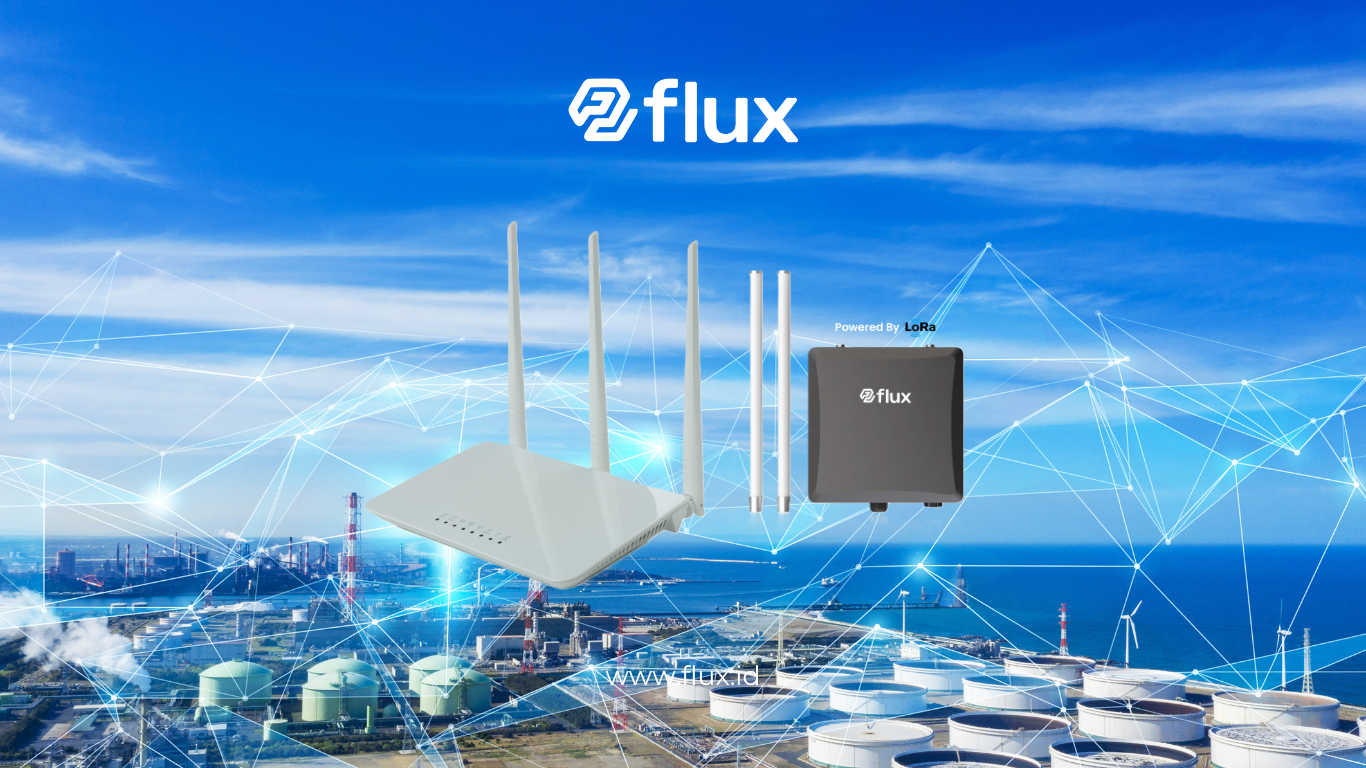
Another challenge is the need for adequate infrastructure, such as stable networks and compatible devices. Additionally, employee training is essential to ensure optimal system usage.
However, with rapid technological advancements, these challenges can be addressed with increasingly sophisticated solutions. The Flux IoT Platform continues to evolve with new features that are more user-friendly and efficient.
In the future, Flux is expected to become more integrated with technologies such as artificial intelligence and data analytics. This will open new opportunities for automation and operational optimization.
With this potential, the Flux IoT Platform will play a key role in helping industries move toward smarter and more sustainable systems.
Conclusion
The Flux IoT Platform is an effective solution for supporting system integration and real-time monitoring in modern industries. By connecting various devices and processing data centrally, the platform helps companies improve operational visibility and efficiency.
Benefits such as increased productivity, data-driven decision-making, and process automation make Flux an essential tool in industrial digital transformation.
Although there are challenges in implementation, the long-term benefits far outweigh them. As technology continues to evolve, the Flux IoT Platform will become a key foundation in building more modern, efficient, and competitive industries.