Don't miss our holiday offer - 20% OFF!

Read Also: Why IoT Has Become an Important Technology Today
Digital transformation has become the main foundation in the development of modern industries. Companies are no longer focused solely on increasing production, but also on operational efficiency, data transparency, and the ability to make fast and accurate decisions. One of the technologies driving this change is the Internet of Things (IoT).
IoT enables various devices and systems to connect and communicate in real-time. In the industrial context, this technology opens up significant opportunities to improve efficiency, reduce operational costs, and minimize the risk of human error.
One platform widely used to support IoT implementation is the Flux IoT Platform. This platform is designed to simplify device integration, data processing, and system automation within a centralized ecosystem.
Through this article, you will gain a comprehensive guide on how the Flux IoT Platform can be used effectively for system integration and industrial automation.
Contents
What is Flux IoT Platform and Its Functions
Read Also: Flux for Modern Industry: Monitoring, Analysis, and Control
Flux IoT Platform is a technology-based platform that enables integrated management of IoT devices. It acts as a bridge between physical devices (sensors, machines, field equipment) and digital systems used for monitoring and data analysis.
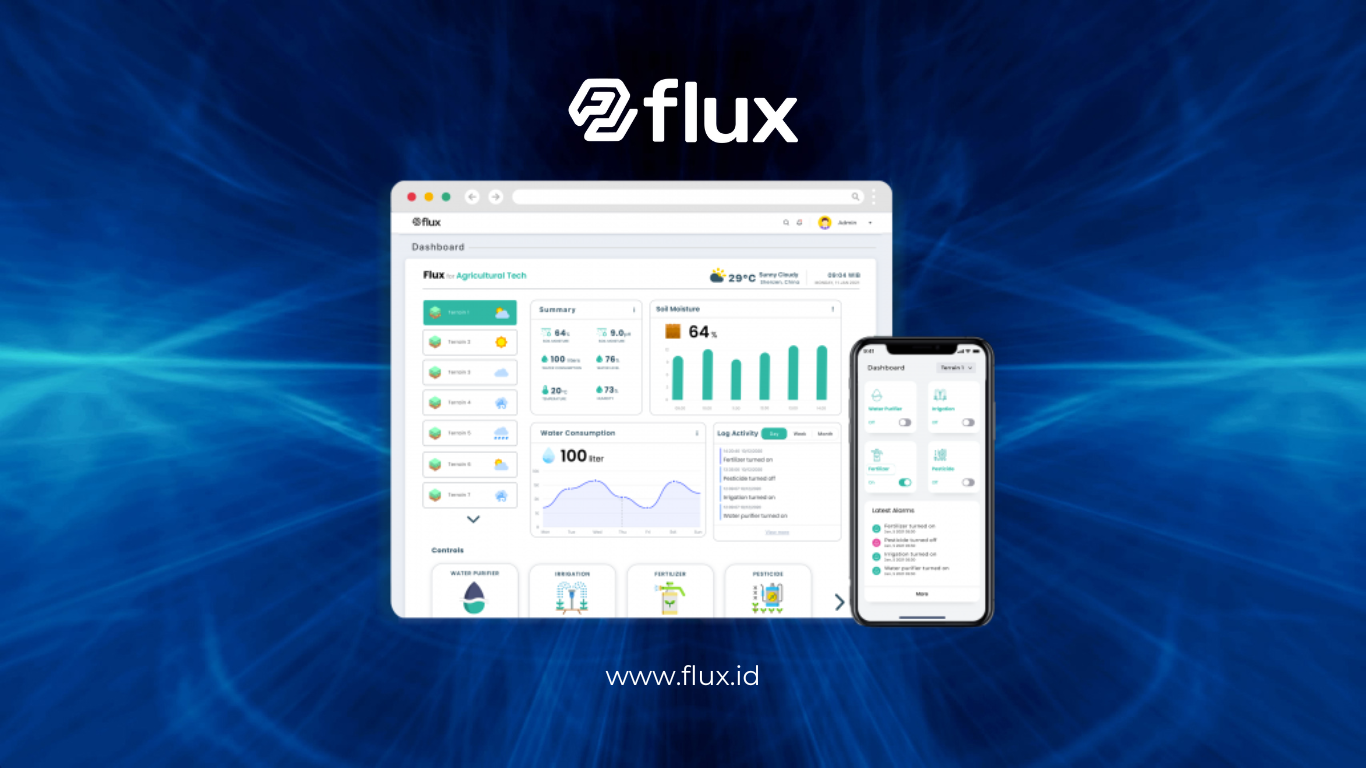
In practice, the Flux IoT Platform can collect data from various devices in real-time, then process it into easy-to-understand information. This information can be displayed through visual dashboards, reports, and automated notifications.
The main functions of this platform include:
- Data acquisition from various sensors and devices
- Data processing to generate insights
- Data visualization through interactive dashboards
- System integration with other software such as ERP or SCADA
- Process automation based on specific conditions
With these capabilities, the Flux IoT Platform is a highly relevant solution for industries aiming to improve efficiency and operational quality.
How Flux IoT Works in Industrial System Integration
Read Also: AI and IoT Integration with Flux: The Future of Industrial Automation
The Flux IoT Platform works by connecting various field devices into a centralized system. The process begins with data collection using sensors or IoT devices installed on machines or within operational environments.
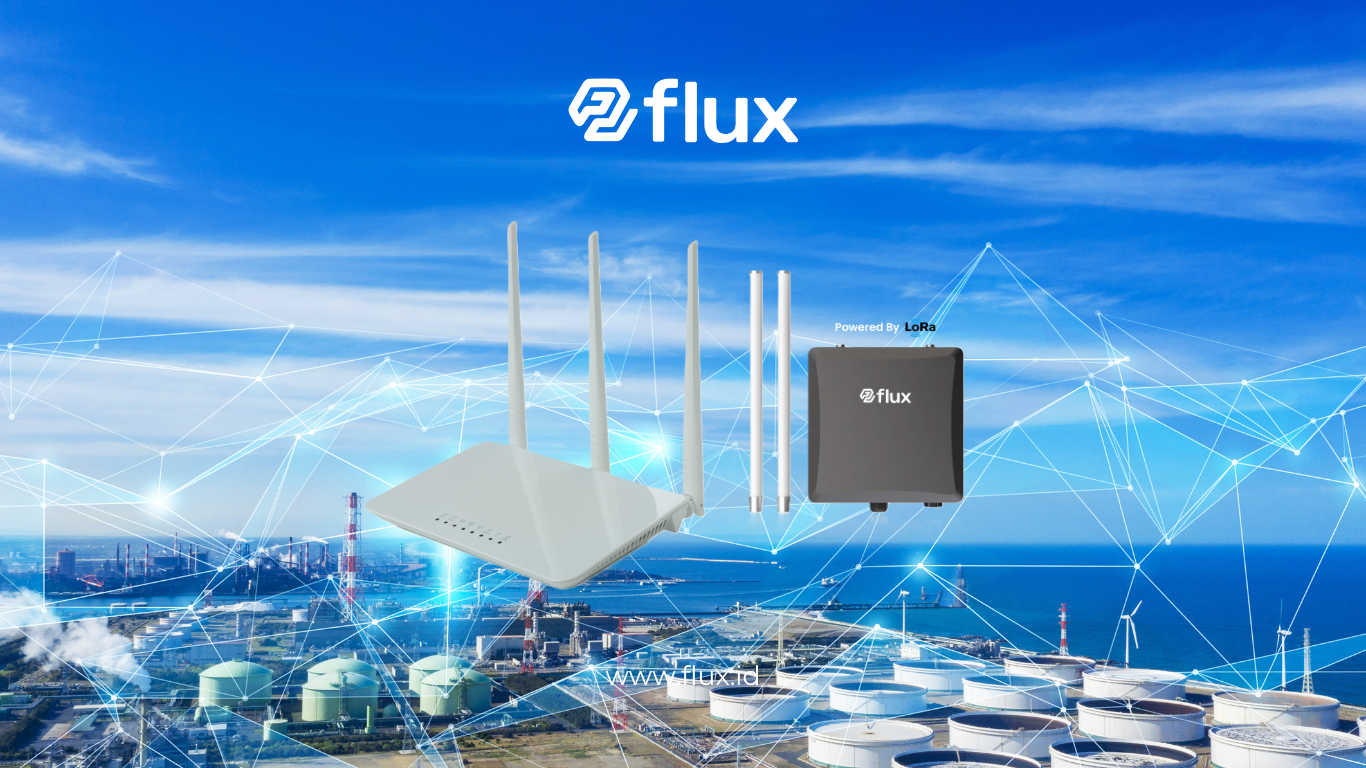
The collected data is then transmitted to the platform via communication networks such as Wi-Fi, Ethernet, or cellular networks. Once received, the system automatically processes and stores the data.
Next, the data is displayed on dashboards accessible via computers or mobile devices. These dashboards allow users to monitor operational conditions in real-time.
Additionally, the Flux IoT Platform supports integration with other systems. For example, collected data can be connected to ERP systems for business management or SCADA systems for industrial process control.
This integration capability enables companies to create a fully connected digital ecosystem, making workflows more efficient and well-coordinated.
Benefits of Flux IoT Platform for Industrial Automation
Read Also: The Role of IoT in Industry 4.0: Towards Full Automation
The use of the Flux IoT Platform provides various benefits in supporting industrial automation. One of the main advantages is the ability to reduce manual intervention in operational processes.
With automated systems, activities such as monitoring, data recording, and decision-making can be carried out without direct human involvement. This not only increases efficiency but also reduces the risk of errors.
The Flux IoT Platform also enables predictive maintenance, where machine maintenance is based on actual conditions detected by sensors. This approach helps prevent failures before they occur, reducing downtime and repair costs.
Additionally, the platform enhances operational visibility. Management can monitor the entire production process in real-time, making decision-making easier.
Other benefits include:
- Reduced operational costs
- Increased productivity
- Better data management
- Improved product quality
With these advantages, the Flux IoT Platform becomes an essential tool in supporting industrial digital transformation.
Key Features of Flux IoT Platform
Read Also: Flood Prevention with IoT: Real-Time Monitoring from Smartphones
The Flux IoT Platform is equipped with various advanced features designed to meet modern industrial needs. These features allow users to manage IoT systems more easily and efficiently.
One of the main features is a real-time dashboard that presents data in easy-to-understand visual formats. Users can monitor parameters such as temperature, pressure, and machine performance instantly.
The alert and notification feature is also crucial. The system can send warnings when abnormal conditions occur, allowing immediate action.
Additionally, there is a data logging feature for storing historical data, which can be used for trend analysis and performance evaluation.
The platform also supports API integration, enabling connectivity with various other systems and offering flexibility in system development.
Data security is another key focus, ensuring that all data remains protected from unauthorized access.
Implementation Challenges and Optimization Tips

Read Also: Simple Arduino Project: Control Lights Using a Light Sensor
Despite its many benefits, implementing the Flux IoT Platform comes with challenges. One of the main challenges is the complexity of integrating with existing systems.
Companies must ensure that their devices and systems are compatible with the IoT platform. Proper planning is essential to avoid disrupting ongoing operations.
Another challenge is the need for skilled human resources capable of managing IoT systems. Training and skill development are crucial for successful implementation.
To optimize the use of the Flux IoT Platform, consider the following tips:
- Start with a small pilot project
- Define clear implementation goals
- Select IoT devices that fit your needs
- Provide user training
- Conduct regular system evaluations
With the right approach, companies can maximize the benefits of the Flux IoT Platform and achieve higher operational efficiency.
Conclusion
The Flux IoT Platform is an effective solution for supporting system integration and industrial automation in the digital era. By connecting various devices, processing real-time data, and enabling process automation, it helps companies improve efficiency and productivity.
With proper implementation, the Flux IoT Platform can serve as a foundation for building modern, integrated, and data-driven industrial systems. Although there are challenges, the long-term benefits are significant.
As IoT technology continues to evolve, platforms like Flux will become increasingly important in helping industries adapt to changing demands and achieve competitive advantages.